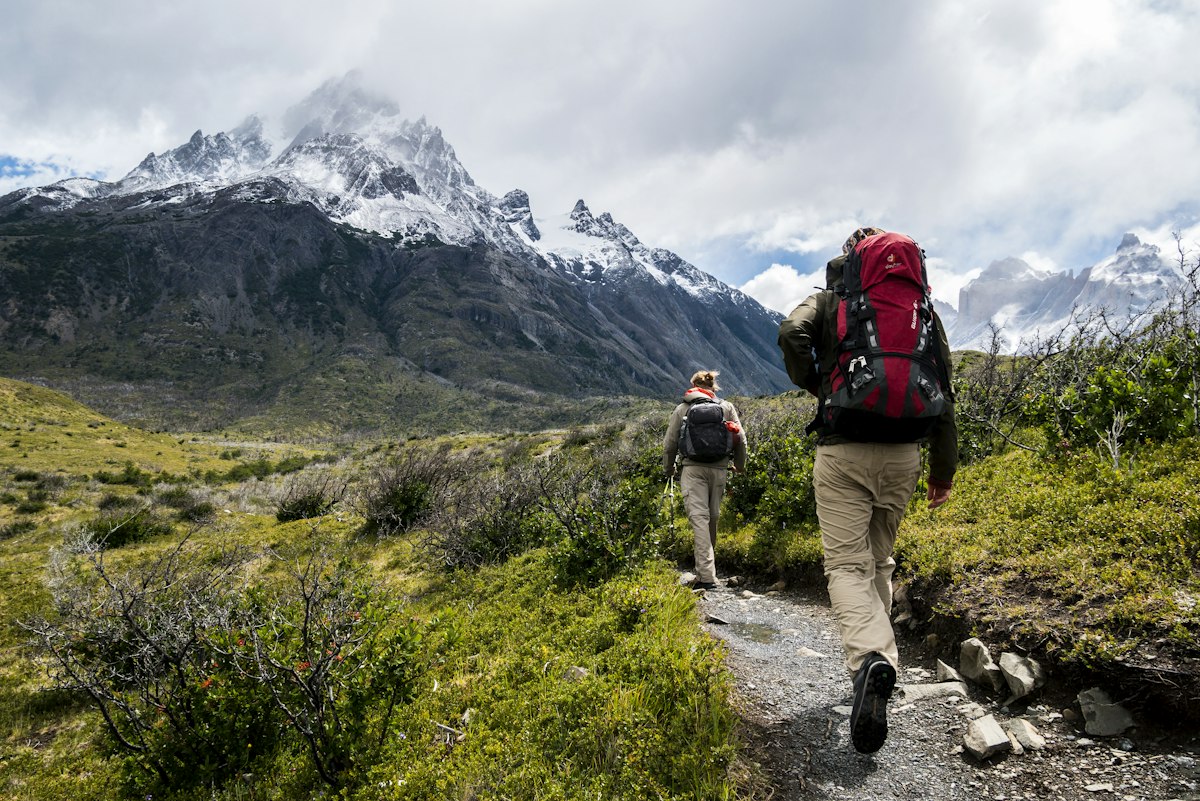
Essential Hunting Gear Checklist for New Zealand Conditions
Essential Hunting Gear Checklist for New Zealand Conditions
New Zealand's hunting terrain and weather demand gear that performs across a wide range of conditions. A warm, clear morning can turn cold and wet within hours. You might start in open tussock and finish in dense bush. The gear you carry should keep you safe, warm, and capable of navigating and communicating — whether you're on a short day hunt or a multi-day backcountry trip.
This checklist is practical and species-agnostic. It doesn't endorse specific brands or products — it covers what you need and why.
Clothing Layers
New Zealand conditions are managed best with a layering system. This lets you adjust to changing temperature and exertion levels.
Base layer — A moisture-wicking layer against your skin. Merino wool is the New Zealand standard — it breathes, retains warmth when damp, and resists odour. Avoid cotton, which holds moisture and loses insulation when wet.
Mid layer — An insulating layer. A fleece or lightweight puffer jacket works well. This is what you'll put on when you stop moving and need to retain body heat.
Outer layer — A waterproof, windproof shell. New Zealand rain can be persistent, and wind chill at altitude is significant. A good rain jacket is non-negotiable. Consider rain pants if you expect wet conditions, especially in bush or long grass.
High-visibility clothing — Essential for carrying animals out. A high-viz vest or cap makes you visible to other hunters. This is especially critical during the roar when multiple parties may be in the same area.
Boots
Your feet are your primary mode of transport. Treat them accordingly.
- Sturdy tramping boots with good ankle support. New Zealand terrain is rough — river beds, scree, and steep sidling are common.
- Break them in before a hunt. Never take new boots on a multi-day trip.
- Good socks. Merino socks with adequate cushioning. Carry a spare pair.
- Gaiters — Useful in bush, tussock, and scree to keep debris and water out of your boots.
Wet-Weather Preparation
New Zealand weather changes fast. Assume it will rain at some point, even if the forecast says otherwise.
- A reliable rain jacket — not a cheap one. Look for taped seams and a proper hood.
- Rain pants for extended wet conditions.
- A dry bag or pack liner to keep clothing and sleeping gear dry inside your pack.
- Consider a lightweight pack cover as an additional layer.
Navigation
Getting lost is one of the most common causes of hunting incidents requiring rescue. Don't rely on a single method.
- Topographic map — Carry a physical map of the area you're hunting. Know how to read contour lines and identify terrain features.
- Compass — A baseplate compass. Know how to take a bearing and orient your map.
- GPS — A dedicated GPS device with the appropriate topographic maps loaded. Carry spare batteries.
- Phone — Useful as a backup, but unreliable for battery life and coverage in the backcountry. Don't depend on it as your primary navigation.
Communication
In an emergency, communication can save your life.
- Personal Locator Beacon (PLB) — Strongly recommended for all backcountry hunting. Registered with Rescue Coordination Centre New Zealand. When activated, it sends your GPS location to emergency services.
- Satellite communicator — Devices like inReach or Zoleo allow two-way messaging via satellite where there's no cell coverage.
- Mobile phone — Fully charged, but understand coverage is limited in much of New Zealand's hunting terrain.
Emergency Equipment
Beyond communication, carry basic emergency gear:
- Headlamp with spare batteries. A small LED torch as a backup.
- Space blanket or emergency bivvy bag. Compact and could save your life if you're benighted.
- Fire-starting kit — Matches or a lighter in a waterproof container.
- Whistle — For signalling if you're separated from your party.
First Aid
A basic backcountry first aid kit, tailored to hunting:
- Wound dressings, bandages, and antiseptic.
- Pain relief (paracetamol/ibuprofen).
- Blister treatment (Compeed or similar).
- A trauma dressing for serious bleeding — hunting involves sharp knives and firearms.
- Any personal medications.
- A small first aid manual or knowledge of basic first aid.
Food and Water
- Water — At least 2 litres for a day hunt. A water filter or purification tablets allow you to safely use water from streams.
- Food — High-energy, lightweight food. Snacks for the field, and a proper meal for a full day. More than you think you'll need.
- A cup or small pot — If you plan to boil water from a stream.
Pack Considerations
Your pack needs to carry your gear comfortably and handle meat recovery if you're successful.
- Size — 35–55 litres is typical for a day hunt. For multi-day trips, 65 litres or more.
- Comfort — A proper harness that fits your back length. You may be carrying heavy loads (a deer quarter can be 15–20 kg).
- Durability — New Zealand bush is tough on gear. A pack that handles snagging and abrasion.
- Accessibility — Pockets or compartments you can access without unpacking everything.
Species-Specific Considerations
Different hunts call for different gear emphasis:
- Tahr and chamois — Alpine gear is critical. Ice axe, crampons (if conditions warrant), and serious fitness preparation. These hunts are physically demanding.
- Pig hunting with dogs — Dog-specific gear, tracking collars, and protective vests for dogs. Consider a shorter pack for mobility.
- Small game (goats, rabbits, possums) — A lighter pack and a lighter-calibre rifle. Less gear needed for shorter, more accessible trips.
- Game birds — Shotgun, waders (for duck shooting), dog whistle, and game bag.
See our Species Guide for more detail on individual species and their specific considerations.
Trip Length Considerations
Day hunts — Focus on essentials: safety gear, food, water, navigation, first aid, communication, and a means to carry out small game.
Multi-day hunts — Add: sleeping bag, shelter (bivvy or tent), cooking gear, additional food, spare clothing, and a larger pack. A PLB becomes even more critical.
New Zealand Terrain and Changing Weather
The combination of New Zealand's terrain and weather creates unique demands:
- Steep terrain — Gear that works on flat ground may not work on 35-degree tussock faces. Trekking poles can help with stability.
- Rivers — Many hunting areas require river crossings. Know how to cross safely, and know when not to cross. If a river is rising or running dirty, wait.
- Bush — Dense bush is hard on gear and hard on navigation. High-viz is essential. Move slowly and deliberately.
- Wind — Wind direction matters for hunting (scent control) and for safety (exposed ridges in strong wind are dangerous).
Use the Interactive Gear Checklist
Hunting NZ includes a full interactive Gear Checklist that you can save and track. Use it to build your kit list and ensure you're not forgetting anything before you head out.
Official Sources & References
Published by Hunting NZ. This guide provides general information for new hunters. It is not a substitute for official firearms safety training, current DOC regulations, or legal advice. Always verify current requirements before hunting.
Last reviewed: 16 July 2026
Disclaimer: Hunting regulations, permit requirements, and access conditions in New Zealand are subject to change. The information in this guide is general in nature and was accurate at the time of writing. Always check official sources before planning a hunt.
Species Guide · Safety & Rules · Hunting Regions · Permits & Licences